
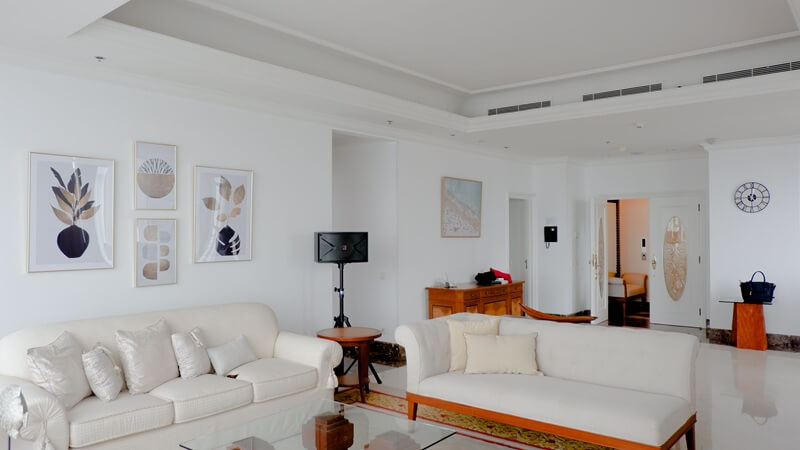
Home decoration is about understanding your needs, selecting suitable colors, arranging furniture properly, choosing the right lighting, and adding decorative elements that reflect your personality. Every small detail contributes to the overall appearance of a room. From wall colors and curtains to rugs, cushions, and indoor plants, each element can improve the atmosphere of your home. This comprehensive guide explores practical decorating techniques, affordable design solutions, and modern styling ideas. By following decoration tips decoradhouse from decoratoradvice, homeowners can learn how to create attractive interiors while maintaining comfort, organization, and functionality.
1. Understand Your Decorating Style
Before purchasing furniture or selecting decorative accessories, identify the interior design style you prefer. Having a clear direction helps you make consistent choices and prevents unnecessary spending. Several popular decorating styles can inspire your home transformation.
Modern Style: Modern interiors focus on clean lines, simple furniture, neutral colors, and uncluttered spaces. This style works particularly well for people who appreciate an organized and sophisticated environment.
Minimalist Style: Minimalism emphasizes simplicity and functionality. It encourages homeowners to keep essential furniture and avoid unnecessary decorations. Neutral shades, natural lighting, and practical storage solutions are common features.
Traditional Style: Traditional interiors include classic furniture, elegant patterns, decorative details, and warm colors. This approach creates a timeless and comfortable atmosphere.
Scandinavian Style: Scandinavian decoration combines simplicity, natural materials, light colors, and functional furniture. Wooden elements, soft textiles, and indoor plants help create a peaceful environment.
Bohemian Style: Bohemian interiors use colorful fabrics, patterned rugs, handmade decorations, and natural textures. This style is ideal for people who enjoy creative and expressive spaces.
Once you understand your preferred style, selecting furniture, accessories, and color combinations becomes much easier.
2. Choose the Right Color Palette
Color is one of the most important elements of interior decoration. The right combination can make a room feel spacious, relaxing, energetic, or luxurious. Before choosing paint, consider the room’s purpose, natural lighting, furniture, and overall atmosphere.
Neutral Colors: White, beige, cream, and warm gray create a peaceful background. They also make it easier to introduce colorful accessories without overwhelming the room.
Earthy Colors: Terracotta, olive green, chocolate brown, and sand create a natural and welcoming appearance. These colors pair perfectly with wooden furniture and natural woven textures, creating a warm and inviting atmosphere.
Soft Pastels: Light blue, pale pink, lavender, and sage green can create a gentle and relaxing atmosphere. They are suitable for bedrooms, reading corners, and comfortable living spaces.
Bold Colors: Navy blue, emerald green, burgundy, and charcoal can introduce personality and visual interest. However, use stronger colors carefully to maintain balance.
A useful approach is the 60-30-10 color rule. Follow the 60-30-10 rule by using 60% of your main color, 30% of a complementary shade, and 10% of an accent color. This creates a balanced appearance without making the room feel visually crowded. Before painting an entire room, test small samples on different walls. Observe how the shades look during morning, afternoon, and evening lighting.
3. Arrange Furniture for Comfort and Functionality
Furniture placement has a significant impact on the appearance and usability of your home. Even expensive furniture can look unattractive when arranged incorrectly. Start by measuring your room and identifying its main purpose. Consider how people move through the space and where important activities take place. In living rooms, arrange sofas and chairs around a central focal point, such as a television, fireplace, or coffee table. Maintain enough walking space between furniture pieces. For smaller rooms, choose furniture with slim profiles and practical designs. A compact sofa, nesting tables, and multifunctional storage units can help maximize available space. In bedrooms, position the bed where it allows comfortable movement around both sides when possible. Avoid overcrowding the room with unnecessary furniture.
Here are some useful furniture arrangement suggestions:
-
Keep frequently used furniture easy to access.
- Keep windows clear to allow natural sunlight to brighten your space.
-
Leave clear pathways between major furniture pieces.
-
Use appropriately sized rugs to define different areas.
-
Select furniture that matches the room’s dimensions.
-
Consider storage benches and multifunctional tables.
Good furniture arrangement improves everyday comfort while making interiors look more organized.
4. Improve Your Home with Proper Lighting
Lighting can completely change the atmosphere of an interior. A beautifully decorated room may still feel uncomfortable if it has poor lighting. The best approach is to combine natural lighting with different artificial light sources.
Natural Lighting: Keep windows clean and avoid covering them with heavy curtains during the day. Light-colored curtains can allow sunlight to enter while maintaining privacy.
Ambient Lighting: This provides general illumination throughout the room. Ceiling lights, chandeliers, and recessed lighting are common examples.
Task Lighting: Task lighting supports specific activities such as reading, cooking, studying, or working. Desk lamps, bedside lamps, and under-cabinet lights are useful options.
Accent Lighting: Accent lights highlight decorative features, artwork, shelves, or architectural details. Wall lights and adjustable spotlights can create attractive visual effects.
Choose warm lighting for bedrooms and relaxing spaces. Neutral or cooler lighting can work better in kitchens, offices, and areas where clear visibility is important. Layering different lighting sources creates depth and makes a room more comfortable throughout the day.
5. Decorate Walls with Creative Ideas
Empty walls can make a room feel unfinished. Fortunately, there are several affordable ways to improve them without undertaking major renovations. Artwork is one of the easiest ways to introduce personality. Choose paintings, photographs, illustrations, or prints that complement your interior colors. Gallery walls are another popular option. You can arrange several framed pictures together to create an attractive display. For a balanced result, maintain consistent spacing and use frames with complementary finishes.
Other wall decoration ideas include:
-
Installing floating shelves for books and decorative objects.
-
Using removable wallpaper for temporary transformations.
-
Adding decorative mirrors to improve brightness.
-
Creating an accent wall with a contrasting paint color.
-
Installing picture-frame molding for a classic appearance.
-
Displaying handmade artwork and family photographs.
Mirrors are particularly useful in smaller spaces because they reflect light and create an impression of additional depth. When decorating walls, avoid placing too many objects together. A few carefully selected pieces often create a more sophisticated appearance than an overcrowded display.
6. Use Textures to Add Warmth and Character
Texture is an important part of interior design because it makes rooms feel more interesting and inviting. Combining different materials can create depth even when you use a simple color palette.
For example, a living room with neutral walls can feel more attractive when you introduce a soft wool rug, linen curtains, wooden furniture, and textured cushions.
Consider incorporating these materials:
- Wood: Wooden furniture, shelves, and decorative accessories bring natural warmth.
- Linen: Linen curtains, bedding, and cushion covers create a relaxed and elegant appearance.
- Cotton: Cotton fabrics are practical, comfortable, and easy to maintain.
- Wool: Wool rugs and blankets add softness and warmth, particularly during colder seasons.
- Metal: Brass, black metal, and brushed steel introduce attractive contrasts.
Natural Fibers: Jute, rattan, wicker, and bamboo provide organic textures.
The key is to combine materials thoughtfully. Too many competing textures can make a room feel busy, so maintain a consistent visual balance.
7. Make Small Rooms Look Bigger
Small homes and apartments require smart decorating decisions. The objective is to maximize functionality while creating an open and comfortable atmosphere. Start by choosing light-colored walls. White, cream, and pale gray can make compact rooms feel brighter. Mirrors can also improve the perception of space. Position a large mirror opposite a window to reflect natural light. Multifunctional furniture is another excellent solution. Consider sofa beds, storage ottomans, foldable tables, and beds with built-in drawers.
Additional ideas include:
-
Use vertical shelving to maximize wall space.
-
Choose furniture with visible legs to create an open appearance.
-
Avoid oversized decorative accessories.
-
Keep floors and walkways free from unnecessary objects.
-
Use curtains close to the ceiling to create a sense of height.
-
Select furniture with built-in storage wherever possible.
Instead of filling every corner, leave some open space. This creates a cleaner appearance and makes everyday movement easier.
8. Bring Nature Indoors with Plants
Indoor plants are a simple and affordable way to improve home decoration. They introduce natural colors, soften hard surfaces, and make interiors feel more welcoming. Different plants suit different environments, so consider available sunlight and maintenance requirements before purchasing them.
Some popular indoor plant choices include:
Snake Plant: A low-maintenance plant that tolerates different indoor conditions.
Pothos: Its trailing leaves work beautifully on shelves and hanging planters.
Spider Plant: A popular choice for bright indoor spaces.
Peace Lily: Its attractive leaves and flowers make it suitable for decorative corners.
Aloe Vera: A practical succulent that prefers bright light and well-drained soil.
Place larger plants in empty corners and smaller plants on shelves, tables, or windowsills. You can also use attractive ceramic pots, woven baskets, or simple planters to complement your interior style. Remember that plants require appropriate watering, light, and care. Avoid selecting plants solely because they look attractive in photographs.
9. Create a Beautiful and Organized Living Room
The living room is often one of the most frequently used areas of a home. It serves as a place for relaxation, family conversations, and entertaining guests. Therefore, its decoration should balance appearance and comfort. Begin with a comfortable sofa that suits the size of your room. Add cushions and a soft throw blanket to introduce color and texture. A coffee table can provide practical surface space for books, decorative trays, and everyday essentials. Choose a design that allows enough room for movement. An area rug can help define the seating arrangement and connect different furniture pieces.
For additional decoration, consider:
-
A statement mirror above a console table.
-
A floor lamp beside the sofa.
-
Artwork above the main seating area.
-
Decorative baskets for storing blankets.
-
Indoor plants near windows.
-
Coordinated cushions and curtains.
Avoid filling every available surface with accessories. Leave enough empty space to maintain a clean and relaxing environment.
10. Transform Your Bedroom into a Relaxing Space
A bedroom should provide comfort, privacy, and relaxation. Its design should encourage peaceful rest rather than visual distraction. Start with a comfortable bed and suitable bedding. Choose soft colors such as beige, cream, muted green, or light blue. Layering bedding can create a luxurious appearance. Combine fitted sheets, blankets, duvets, and decorative cushions while keeping the arrangement practical. Lighting is equally important. Bedside lamps provide convenient illumination, while warm bulbs create a relaxing atmosphere.
You can also improve your bedroom with these ideas:
-
Install blackout curtains if external light affects your sleep.
-
Add a soft rug beside the bed.
-
Use matching bedside tables.
-
Keep frequently used items within easy reach.
-
Introduce subtle artwork above the headboard.
-
Organize clothing and accessories with suitable storage.
Avoid unnecessary electronics and excessive decorations around the sleeping area. A simple and organized bedroom often feels more peaceful.
11. Upgrade Your Kitchen with Practical Decoration
The kitchen should be attractive, hygienic, and functional. Since it is used regularly, decoration should focus on convenience as well as appearance. One affordable improvement is updating cabinet handles. Replacing outdated hardware with modern black, brushed brass, or stainless-steel handles can refresh kitchen cabinets without replacing them. A backsplash can also improve the overall appearance. Peel-and-stick backsplash materials provide a convenient option for suitable surfaces when used according to the manufacturer’s instructions.
Other practical improvements include:
-
Organizing utensils in dedicated containers.
-
Using matching storage jars.
-
Installing under-cabinet lighting.
-
Keeping countertops clean and uncluttered.
-
Adding a small herb garden near a suitable window.
-
Using attractive but practical kitchen textiles.
If you have limited countertop space, use vertical storage and wall-mounted organizers. Always prioritize safe installation and materials suitable for areas exposed to heat, moisture, and food preparation.
12. Refresh Your Bathroom with Simple Details
A bathroom does not need expensive renovations to look attractive. Small improvements can create a cleaner and more comfortable environment. Start by organizing toiletries and removing unnecessary products from countertops. Choose coordinated towels, bath mats, and shower curtains to create a consistent appearance.
Other affordable decorating ideas include:
-
Installing attractive storage shelves.
-
Using matching soap dispensers.
-
Adding moisture-tolerant plants where appropriate.
-
Replacing outdated cabinet handles.
-
Improving lighting around the mirror.
-
Using decorative baskets for towels and supplies.
Good ventilation is especially important because excessive moisture can damage surfaces and encourage mold growth. Choose accessories that are easy to clean and suitable for humid environments.
13. Follow Seasonal Decoration Trends
Changing small decorative details throughout the year can keep your home feeling fresh without requiring a complete redesign. During spring, introduce fresh flowers, lighter fabrics, and soft pastel colors. In summer, choose breathable textiles, natural materials, and brighter accessories. Autumn is a suitable time to incorporate warm earthy shades, textured blankets, and decorative cushions. During winter, use comfortable rugs, layered bedding, warm lighting, and soft throws. You can also update your home according to current design preferences. Natural materials, warm neutrals, vintage-inspired furniture, curved shapes, and carefully selected statement pieces are useful directions to explore. However, do not follow every trend. Choose elements that suit your lifestyle, budget, and existing furniture.
14. Decorate Your Home on a Limited Budget
Beautiful interiors do not always require a large investment. Many improvements can be completed using existing furniture and affordable accessories. The first step is to establish a realistic decorating budget. Decide which rooms need attention and prioritize improvements that will make the biggest difference.
Consider these cost-effective ideas:
Rearrange Existing Furniture: Changing furniture positions can create a completely different atmosphere without spending money.
Paint Old Furniture: A suitable paint finish can refresh outdated chairs, tables, and cabinets.
Replace Small Accessories: New cushions, curtains, lampshades, and rugs can improve the appearance of a room.
Try DIY Decorations: Handmade wall art, decorative trays, and customized storage boxes can add personality.
Shop Secondhand: Thrift stores and online marketplaces may offer affordable furniture and decorative accessories.
Reuse Existing Items: Repurpose glass jars, baskets, wooden boxes, and old frames for new decorative purposes.
Before buying anything, review what you already own. Sometimes, moving accessories between rooms is enough to create a fresh appearance. A useful principle behind decoration tips decoradhouse from decoratoradvice is to focus on thoughtful improvements rather than unnecessary purchases. This approach helps homeowners create beautiful spaces while controlling their expenses.
15. Avoid Common Home Decorating Mistakes
Even carefully planned interiors can lose their appeal when important design principles are ignored. Understanding common decorating mistakes can help you make better decisions.
Choosing Furniture That Is Too Large: Oversized furniture can make smaller rooms feel crowded. Always measure available space before purchasing.
Ignoring Lighting: Poor lighting can make attractive interiors feel dull. Combine natural light with appropriate artificial sources.
Using Too Many Colors: An excessive number of unrelated colors can create visual confusion. Maintain a consistent palette.
Overdecorating Surfaces: Too many accessories make rooms difficult to clean and organize. Select a few meaningful decorative objects.
Hanging Artwork Incorrectly: Pictures placed too high can look disconnected from furniture. Position artwork at a comfortable viewing height.
Ignoring Practical Needs: A beautiful room should also support everyday activities. Choose durable, comfortable, and functional furniture.
Following Trends Blindly: Not every popular design will suit your home. Prioritize your preferences and long-term requirements.
By avoiding these mistakes, you can create interiors that remain attractive and practical over time.
16. Develop a Simple Home Decoration Plan
A successful decorating project begins with a clear plan. Instead of changing everything at once, divide the process into manageable steps.
Step 1: Evaluate Your Space
Walk through your home and identify areas that need improvement. Consider lighting, storage, furniture arrangement, wall colors, and general comfort.
Step 2: Establish Your Budget
Decide how much you can comfortably spend. Separate essential improvements from optional decorative purchases.
Step 3: Select Your Design Direction
Choose a consistent decorating style and color palette. Collect inspiration from interior design magazines, photographs, and home improvement resources.
Step 4: Measure Your Rooms
Record wall dimensions, window sizes, and available floor space before purchasing furniture or accessories.
Step 5: Prioritize Major Improvements
Focus on important elements such as furniture arrangement, lighting, wall finishes, and storage.
Step 6: Add Decorative Details
Introduce rugs, artwork, cushions, plants, mirrors, and other accessories after completing the main improvements.
Step 7: Review the Final Result
Walk through each room and evaluate its comfort, appearance, and functionality. Remove anything that makes the space feel unnecessarily crowded.
Following these steps helps prevent impulsive purchases and keeps your decorating project organized.
Conclusion
Creating a beautiful home is a gradual process that combines creativity, planning, and practical decision-making. You do not need expensive furniture or professional renovations to improve your surroundings. Simple changes such as selecting balanced colors, rearranging furniture, improving lighting, introducing natural textures, and organizing storage can make a meaningful difference. Every room should reflect the needs and personality of the people who use it. A comfortable living room, peaceful bedroom, organized kitchen, and refreshing bathroom contribute to a more enjoyable home environment. The most important principle is to focus on functionality before adding decorative details. Choose quality items that suit your lifestyle, avoid unnecessary clutter, and make improvements according to your available budget. With these practical ideas and decoration tips decoradhouse from decoratoradvice, you can develop a welcoming, stylish, and organized home that remains comfortable and attractive for years to come.