
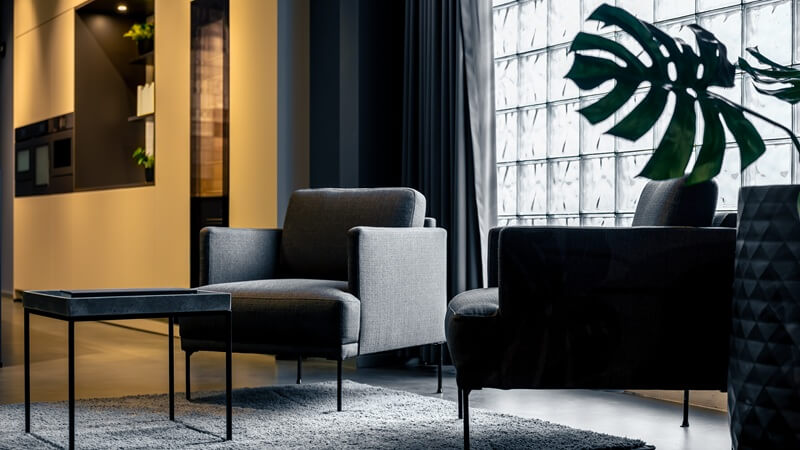
A beautiful home is more than a collection of attractive furniture, decorative accessories, and stylish colors. It is a personal environment that reflects your lifestyle, supports your daily activities, and provides comfort for everyone who lives there. Good interior design combines creativity, functionality, organization, and thoughtful planning to make every room feel welcoming and practical. Whether you live in a small apartment, a modern house, or a spacious family home, the right decorating decisions can transform your surroundings. You do not always need expensive furniture or a complete renovation to achieve impressive results. Simple improvements, such as changing furniture arrangements, introducing better lighting, selecting suitable colors, and adding decorative elements, can make a noticeable difference. The concept of pushyourdesign interiors focuses on creating personalized spaces through practical design techniques and creative ideas. It encourages homeowners to understand their requirements before selecting furniture, materials, lighting, or decorations. By considering both appearance and everyday functionality, you can develop interiors that remain attractive and comfortable over time. This comprehensive guide explains important interior design principles, room decoration strategies, furniture selection, color combinations, lighting techniques, storage solutions, and affordable improvement ideas to help you create a home that matches your personality and needs.
1. Understand Your Interior Design Requirements
Before purchasing furniture or selecting decorative accessories, determine what you want to achieve with your interior design project. Every home has different requirements depending on its size, layout, number of occupants, and daily activities.
For example, a family living room may require comfortable seating, entertainment facilities, and sufficient storage. A bedroom should provide relaxation, privacy, and convenient organization. Similarly, a kitchen needs practical work surfaces, accessible cabinets, and enough space for food preparation.
Start by evaluating your existing rooms and identifying areas that need improvement.
Consider these important questions:
- What is the main purpose of each room?
- How many people regularly use the space?
- Is there enough natural light?
- Does the current furniture arrangement allow comfortable movement?
- Are storage facilities sufficient?
- Which areas require better lighting or decoration?
- What is your available improvement budget?
Write down your answers before making purchases. This simple planning process helps you avoid unnecessary expenses and ensures that your design decisions address actual problems. You should also consider your personal preferences. Some homeowners prefer minimalist surroundings, while others enjoy colorful decorations, traditional furniture, or contemporary designs. Your home should reflect your lifestyle rather than simply imitate another person’s interior.
2. Choose an Interior Design Style
Selecting a design style provides direction for your decorating decisions. It helps you coordinate furniture, colors, materials, lighting, and accessories without making the overall appearance confusing. Several popular interior design styles can inspire your project.
Modern Interior Design
Modern interiors generally emphasize clean lines, practical furniture, open layouts, and balanced color combinations. Neutral shades, glass surfaces, metal finishes, and simple decorative elements are commonly used. This style is suitable for homeowners who prefer organized surroundings without excessive decoration.
Minimalist Interior Design
Minimalist decoration focuses on simplicity and purposeful choices. Instead of filling rooms with unnecessary accessories, this approach prioritizes essential furniture, open space, and functional organization. Choose furniture with straightforward shapes and avoid overcrowding shelves, tables, and countertops.
Contemporary Interior Design
Contemporary interiors reflect current design preferences and can combine different materials, textures, and furniture styles. Popular elements include comfortable seating, statement lighting, natural materials, curved furniture, and carefully selected accent colors.
Traditional Interior Design
Traditional interiors often feature classic furniture, decorative details, warm colors, wooden finishes, and elegant accessories. This style can create a welcoming atmosphere, particularly in homes where timeless decoration is preferred.
Scandinavian Interior Design
Scandinavian design emphasizes natural light, simplicity, comfort, and practical functionality. Light wood, soft textiles, neutral colors, and uncluttered layouts are common features. It works particularly well in smaller homes because it encourages open and visually calm environments. Before choosing a style, collect photographs and examples of rooms you like. Compare their colors, furniture, materials, and lighting to identify common elements.
3. Select the Right Color Combination
Color plays a significant role in interior design, shaping a room’s appearance and creating a specific mood and atmosphere.A carefully selected color palette creates harmony between walls, furniture, flooring, curtains, and decorative accessories.
Understand the Basic Color Approach
A practical way to develop a balanced palette is to select three categories of colors:
- Primary color: Used for larger surfaces, such as walls or major furniture pieces.
- Secondary color: Introduced through rugs, curtains, chairs, and other furnishings.
- Accent color: Added through cushions, artwork, lamps, and smaller decorative accessories.
For example, a living room could feature warm beige walls, brown wooden furniture, and muted green cushions. This color scheme adds character and depth while keeping the room balanced, spacious, and visually appealing.
Consider Room Size and Lighting
Light colors can make smaller rooms appear more open, while darker shades can create depth and a cozy atmosphere. However, the final appearance also depends on natural light, artificial lighting, and the materials surrounding the color. Apply small paint samples to the walls first to see how the colors look in different lighting conditions. Observe them during the morning, afternoon, and evening because lighting conditions can change how colors appear.
Use Accent Walls Carefully
A feature wall can add visual interest and become the room’s centerpiece without changing the entire space. You can use a different paint color, textured wallpaper, wooden panels, or decorative wall molding. Choose a wall that naturally attracts attention, such as the area behind a bed, sofa, or dining table.
4. Arrange Furniture According to Space and Function
Furniture arrangement has a significant impact on how comfortable and organized a room feels. Even expensive furniture can look unattractive when placed incorrectly. Begin by measuring your room and recording the dimensions of doors, windows, and fixed architectural features. Next, identify the main activity area and arrange larger furniture pieces accordingly.
Create Comfortable Walking Routes
Leave sufficient space between furniture items so people can move around without difficulty. Avoid placing large cabinets, tables, or sofas where they block doorways or important pathways.
Establish a Focal Point
Every room can benefit from a central visual feature. This might be a fireplace, large window, artwork, attractive headboard, or entertainment unit. Arrange surrounding furniture to complement this feature rather than compete with it.
Maintain Proper Proportion
Furniture should match the dimensions of the room. An oversized sectional sofa may overwhelm a compact living room, while a very small coffee table can appear disconnected from larger seating arrangements. For smaller spaces, consider compact furniture, nesting tables, folding desks, and multifunctional pieces. Always measure furniture before purchasing it. Remember to check doorway widths, staircases, and access routes to ensure that large items can enter the home.
5. Improve Your Home with Effective Lighting
Lighting is essential because it affects visibility, comfort, decoration, and the atmosphere of every room. Instead of depending entirely on one ceiling fixture, combine different lighting sources to make your interior more flexible.
Ambient Lighting
Ambient lighting provides general illumination. Ceiling lights, recessed fixtures, and suitable floor lamps can brighten the entire room.
Task Lighting
Task lighting supports specific activities that require additional visibility.
Examples include:
- Desk lamps for reading or working.
- Under-cabinet lights for kitchen preparation.
- Bedside lamps for nighttime reading.
- Bathroom vanity lights for grooming.
- Adjustable lamps for study areas.
Accent Lighting
Accent lighting highlights selected decorative features, including artwork, shelves, architectural details, and indoor plants. Wall lights, picture lights, and adjustable spotlights can create attractive visual effects.
Make Better Use of Natural Light
Natural light can make rooms feel brighter and more inviting. Keep windows clean, avoid unnecessarily blocking them with large furniture, and select window treatments that suit your privacy requirements. Mirrors can also reflect available light and create a greater sense of depth when positioned thoughtfully.
6. Select Comfortable and Durable Furniture
Furniture should provide comfort and functionality while supporting the overall appearance of your home. When shopping for furniture, avoid making decisions based entirely on appearance. Consider construction quality, materials, dimensions, maintenance requirements, and long-term durability. For living rooms, choose sofas with comfortable seating, supportive cushions, and upholstery that suits your household. For bedrooms, invest in a suitable mattress, practical bedside tables, and storage furniture that helps keep belongings organized. For dining rooms, select tables and chairs that provide sufficient space for regular use.
Consider Multifunctional Furniture
Multifunctional furniture is especially useful in apartments and smaller homes.
Some practical options include:
- Storage beds with compartments underneath.
- Ottomans that provide seating and hidden storage.
- Extendable dining tables.
- Folding desks for compact workspaces.
- Sofa beds for occasional guests.
- Nesting tables that can be stored together.
These options help maximize available space without sacrificing everyday comfort.
7. Introduce Different Textures and Materials
A room can look flat when every surface has the same finish. Combining different textures adds depth and creates a more interesting interior. Consider introducing natural wood, linen, cotton, wool, glass, ceramic, metal, and woven materials. For example, a neutral living room can become more attractive through a textured rug, soft curtains, wooden furniture, ceramic decorations, and comfortable cushions.
Use Natural Materials
Natural materials can create a warm and inviting environment. Wooden furniture adds warmth, stone surfaces introduce visual character, and woven baskets provide both decoration and practical storage.
Combine Soft and Hard Finishes
Balance smooth surfaces with softer materials. A glass coffee table can work beautifully with an upholstered sofa, while a wooden dining table can be paired with fabric-covered chairs. Avoid introducing too many unrelated finishes. Select materials that complement your chosen design style.
8. Create Practical Storage Solutions
A well-designed home needs sufficient storage to prevent everyday belongings from creating unnecessary clutter.
Storage should be planned according to the activities performed in each room.
Living Room Storage
Use cabinets, shelving units, storage benches, and decorative baskets to organize books, electronics, blankets, and other belongings.
Bedroom Storage
Wardrobes, drawer organizers, under-bed compartments, and bedside cabinets can help maintain a clean and comfortable environment.
Kitchen Storage
Organize cabinets according to how frequently items are used. Keep everyday cooking essentials accessible and use drawer dividers to arrange utensils.
Bathroom Storage
Wall-mounted shelves, vanity cabinets, and small organizers can provide additional space for toiletries and cleaning supplies. A useful principle is to assign a specific place to frequently used belongings. This makes daily cleaning easier and helps prevent clutter from returning.
9. Decorate Your Walls with Personality
Walls offer excellent opportunities to express creativity and introduce personality into your home. Instead of leaving every wall empty, select decorative features that complement the room’s purpose and overall color palette.
Some popular wall decoration ideas include:
- Framed photographs and artwork.
- Decorative mirrors.
- Textured wallpaper.
- Wooden wall panels.
- Picture-frame molding.
- Floating shelves.
- Wall-mounted lighting.
- Carefully arranged decorative collections.
Create a Gallery Wall
A gallery wall can display photographs, artwork, illustrations, and personal memories. Before hanging anything, arrange the frames on the floor to experiment with different combinations. Maintain consistent spacing and choose frames that coordinate with your furniture and room colors.
Avoid Excessive Decoration
Too many wall accessories can make a room feel crowded. Select a few meaningful pieces and allow them enough visual space.
10. Bring Nature into Your Interior Design
Indoor plants can add color, texture, and natural character to living spaces. They can also make empty corners feel more complete and introduce a refreshing decorative element. Popular indoor plant options include snake plants, pothos, spider plants, and suitable varieties of peace lilies. Before purchasing plants, consider available sunlight, watering requirements, humidity, and maintenance needs. Place larger plants in suitable corners and smaller varieties on shelves or side tables. Use decorative pots that coordinate with the surrounding furniture. If you have pets or young children, check whether a plant is toxic before bringing it into your home. Natural materials, botanical artwork, and wooden accessories can also introduce nature-inspired design without requiring extensive plant care.
11. Make Small Spaces Look More Spacious
Small rooms require thoughtful planning because unnecessary furniture and decoration can quickly reduce available space. Fortunately, several techniques can improve their appearance and functionality.
Use Light and Balanced Colors
Soft neutral colors can create a brighter appearance. You can introduce stronger shades through smaller accessories.
Choose Furniture Carefully
Select appropriately sized furniture instead of filling the room with oversized pieces.
Use Mirrors Strategically
A well-positioned mirror can reflect light and create a greater feeling of openness.
Maximize Vertical Space
Tall shelves, wall-mounted cabinets, and vertical storage systems help organize belongings without occupying excessive floor space.
Keep Walkways Clear
Avoid unnecessary furniture and decorations around doorways and circulation areas. The goal is not simply to make a room appear empty. It is to use available space intelligently while maintaining comfort.
12. Design Each Room According to Its Purpose
Different rooms require different design priorities.
Living Room: Focus on comfortable seating, practical entertainment arrangements, suitable lighting, and welcoming decorations.
Bedroom: Prioritize sleep quality, comfortable bedding, privacy, organized storage, and calming colors.
Kitchen: Emphasize convenient movement, durable surfaces, sufficient lighting, accessible cabinets, and efficient storage.
Bathroom: Select moisture-resistant materials, suitable ventilation, practical storage, and safe flooring.
Home Office: Choose an ergonomic chair, suitable desk, task lighting, organized cables, and a quiet working environment.
Designing each room according to its purpose creates a home that looks attractive while supporting everyday activities.
13. Upgrade Your Interior on a Limited Budget
You do not need to spend a large amount of money to improve your home’s appearance. Start with changes that provide noticeable results without requiring major construction.
Here are some affordable ideas:
- Replace outdated cabinet handles with modern hardware.
- Introduce new cushion covers and curtains.
- Rearrange existing furniture.
- Paint an accent wall.
- Add decorative mirrors.
- Install suitable shelves for additional storage.
- Replace outdated lampshades.
- Refresh old furniture with appropriate paint or finishes.
- Introduce affordable indoor plants.
- Organize visible clutter.
Before purchasing anything, make a list of necessary improvements and compare prices. Prioritize safety and quality when choosing electrical fixtures, flooring materials, furniture, and renovation products. A thoughtful budget helps you achieve a more attractive result without unnecessary financial pressure.
14. Make Your Interior More Sustainable
Sustainable interior design encourages responsible choices that reduce waste and support efficient resource use. You can introduce environmentally conscious practices without changing your entire home. Choose durable furniture that can be used for many years. Consider secondhand or refurbished pieces when they are in suitable condition. Reuse existing materials where practical and avoid replacing functional items simply because a new trend becomes popular.
Other helpful improvements include:
- Use energy-efficient LED lighting.
- Reduce unnecessary water consumption.
- Choose durable and repairable products.
- Donate usable furniture and decorations.
- Select materials with transparent environmental information.
- Improve natural ventilation when appropriate.
- Avoid unnecessary disposable decorations.
Sustainable decisions can support both environmental responsibility and long-term household savings.
15. Follow a Step-by-Step Interior Design Plan
A successful interior makeover requires organization and realistic expectations.
Use this process to manage your project more effectively.
- Step 1: Identify your goals. Decide which rooms need improvement and what problems you want to solve.
- Step 2: Measure your space. Record room dimensions, windows, doors, ceiling heights, and fixed features.
- Step 3: Establish a budget. Include furniture, materials, lighting, labor, delivery, and an additional contingency for unexpected expenses.
- Step 4: Collect inspiration. Save photographs, color combinations, furniture examples, and decoration ideas.
- Step 5: Plan the layout. Determine furniture positions and ensure sufficient circulation space.
- Step 6: Select materials and colors. Choose suitable finishes, fabrics, flooring, and wall treatments.
- Step 7: Purchase essential items. Prioritize furniture and fixtures that directly support the room’s purpose.
- Step 8: Add decorative details. Introduce curtains, rugs, artwork, plants, and accessories.
- Step 9: Review the result. Check comfort, functionality, lighting, storage, and visual balance.
For larger renovations, consult qualified professionals for structural, electrical, plumbing, and other specialized work.
Frequently Asked Questions
1. What is the most important element of interior design?
Functionality and space planning are essential starting points. A room should support everyday activities while maintaining an attractive and comfortable appearance.
2. How can I make my home look expensive on a small budget?
Use coordinated colors, improve lighting, organize clutter, introduce attractive textiles, update cabinet hardware, and select a few statement decorations.
3. Which colors are suitable for modern interiors?
Neutral shades such as beige, white, warm gray, and soft cream provide flexible foundations. You can introduce personality through green, blue, terracotta, or other carefully selected accent colors.
4. How can I improve a small living room?
Choose compact furniture, use vertical storage, keep walkways clear, introduce suitable mirrors, and avoid excessive decoration.
5. Why is lighting important in interior design?
Lighting improves visibility, supports different activities, highlights decorative features, and influences the atmosphere of a room.
6. How often should I update my home decoration?
There is no fixed schedule. Update your surroundings when your needs change, furniture becomes unsuitable, or certain areas require maintenance. Small seasonal adjustments can also refresh your home.
Conclusion
Creating a beautiful home requires more than selecting attractive furniture and following popular decorating trends. It involves understanding your space, choosing suitable colors, arranging furniture intelligently, improving lighting, introducing practical storage, and selecting materials that provide comfort and durability. The best pushyourdesign interiors approach combines personal creativity with practical planning. By considering your household’s needs and available budget, you can transform ordinary rooms into welcoming spaces that reflect your personality. Start with small improvements, evaluate your results, and gradually introduce new ideas. Whether you are decorating a single bedroom or improving an entire house, thoughtful decisions can make every space more functional, organized, and visually appealing. Ultimately, a successful interior is one that feels like home. It should support your lifestyle, provide everyday comfort, and create an environment where you genuinely enjoy spending time.