
A fulfilling lifestyle is created through everyday habits, thoughtful decisions, and a positive approach to personal development. It is not simply about following popular trends, purchasing expensive products, or maintaining a perfect appearance. Instead, a good lifestyle combines physical health, mental well-being, personal relationships, comfortable surroundings, creativity, and effective time management. Modern life can become challenging because people often balance professional responsibilities, family commitments, financial pressures, and personal goals. These responsibilities can make it difficult to find enough time for relaxation, exercise, healthy eating, and enjoyable activities. However, improving your lifestyle does not require changing everything at once. Small and consistent improvements can gradually create a healthier and more organized daily routine. The concept of tips lifestyle pushyourdesign focuses on practical ways to improve everyday experiences while creating a comfortable, productive, and meaningful life. From organizing your home and developing healthy habits to improving personal style and managing daily responsibilities, the right lifestyle choices can make a noticeable difference. This comprehensive guide explores useful lifestyle strategies that can help you improve your daily routine, create a welcoming environment, develop positive habits, and maintain a better balance between personal and professional responsibilities.
1. Develop a Healthy Daily Routine
A well-planned daily routine provides structure and helps you manage your responsibilities without feeling overwhelmed. When you establish consistent habits, everyday activities become easier to organize, and you can use your time more effectively. Start by identifying the activities that are important to your daily life. These might include work, exercise, meal preparation, household responsibilities, family time, and personal relaxation.
Consider introducing these habits into your routine:
- Maintain a consistent wake-up time.
- Make your bed after getting up.
- Drink water regularly throughout the day.
- Prepare a nutritious breakfast.
- Review your daily priorities.
- Include physical activity in your schedule.
- Take short breaks between demanding tasks.
- Establish a relaxing evening routine.
You should also avoid creating an unnecessarily complicated schedule. A realistic routine allows enough flexibility for unexpected responsibilities and personal activities.
For example, dedicate your morning to important work, use the afternoon for household or professional responsibilities, and reserve the evening for family time and relaxation.
Consistency matters more than perfection. If you miss an activity, return to your normal schedule rather than abandoning your routine.
2. Prioritize Physical Health and Fitness
Physical health is an essential part of a balanced lifestyle. Regular movement helps maintain strength, supports cardiovascular health, improves flexibility, and contributes to overall well-being. You do not need expensive gym equipment or a complicated exercise program to become more active. Many beneficial activities can be performed at home, in parks, or around your neighborhood.
Choose an Exercise You Enjoy
Selecting an activity that matches your interests makes it easier to maintain a regular fitness routine.
Some useful options include:
- Walking or jogging.
- Cycling.
- Swimming.
- Dancing.
- Yoga and stretching.
- Bodyweight exercises.
- Recreational sports.
If you are new to exercise, begin with manageable sessions. For example, take a 15-minute walk and gradually increase your activity as your fitness improves.
Stay Active Throughout the Day
Exercise should not be limited to one scheduled workout. Everyday movement also contributes to a healthier lifestyle. Take walking breaks during work, use stairs when appropriate, stretch after sitting for extended periods, and participate in outdoor activities with friends or family. Adults can generally aim for at least 150 minutes of moderate-intensity aerobic activity each week, alongside muscle-strengthening activities on two or more days, according to their abilities. Choose activities appropriate for your physical condition, and seek professional guidance if you have health concerns or need a suitable exercise plan.
3. Follow a Balanced and Nutritious Diet
Healthy eating provides the nutrients and energy your body needs to perform everyday activities. A balanced diet can support physical health, concentration, and long-term well-being. Instead of following extreme diets, focus on consuming different nutritious foods in suitable portions.
A healthy eating pattern can include:
Fruits and vegetables: Apples, oranges, berries, spinach, carrots, and other vegetables provide vitamins, minerals, and dietary fiber.
Whole grains: Oats, brown rice, whole-wheat bread, and other whole grains provide energy and fiber.
Protein sources: Eggs, fish, chicken, beans, lentils, yogurt, and nuts help support normal body functions and muscle maintenance.
Healthy fats: Olive oil, seeds, nuts, and avocados provide beneficial fats.
Water: Drinking enough water supports hydration and normal bodily processes.
Improve Your Eating Habits
Planning meals in advance can help you make better food choices. Prepare meals at home whenever possible and keep nutritious snacks available. Avoid consuming excessive amounts of sugary drinks, highly processed snacks, and foods containing large amounts of salt. You should also pay attention to portion sizes and eat slowly. Recognizing hunger and fullness signals can help you develop a healthier relationship with food. Healthy eating does not mean avoiding every favorite meal. A sustainable approach includes variety, moderation, and flexibility.
4. Take Care of Your Mental and Emotional Well-Being
Mental well-being deserves the same attention as physical health. Stress, professional responsibilities, financial difficulties, and relationship problems can affect your emotional state. Developing healthy ways to manage these challenges can improve your everyday experiences.
Practice Mindfulness
Mindfulness involves paying attention to the present moment instead of constantly worrying about past experiences or future responsibilities.
You can practice it through simple activities:
- Find a comfortable and quiet place.
- Sit naturally and relax your shoulders.
- Take slow, comfortable breaths.
- Notice your thoughts without judging them.
- Gently return your attention to your breathing.
Even a few minutes of mindful breathing can provide an opportunity to pause and relax.
Make Time for Personal Interests
Enjoyable activities can help you recharge after a demanding day. Read books, listen to music, explore gardening, practice photography, or spend time outdoors. Choose activities that match your interests and provide genuine enjoyment. If emotional difficulties, anxiety, or persistent stress interfere with everyday life, consider seeking support from a qualified mental health professional.
5. Create a Comfortable and Attractive Home
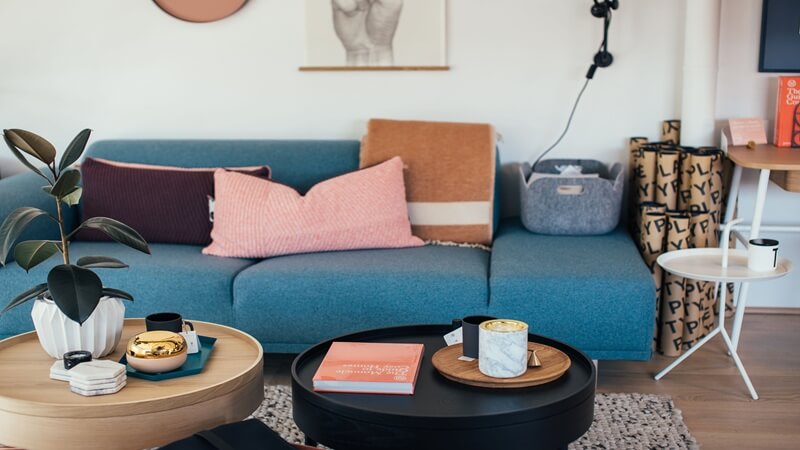
Your living environment can influence your mood, comfort, and productivity. An organized home provides a welcoming atmosphere and makes everyday activities easier. Improving your surroundings does not always require expensive renovations. Small decorating changes and practical organization techniques can produce noticeable results.
Keep Your Home Organized
Start by removing unnecessary belongings from frequently used spaces. Organize furniture, arrange household items, and assign specific storage areas to everyday essentials.
Some useful ideas include:
- Use baskets for smaller belongings.
- Organize kitchen drawers and cabinets.
- Keep frequently used products accessible.
- Introduce shelves to maximize vertical space.
- Maintain clear walking areas.
- Create a dedicated workspace.
- Donate suitable items that you no longer need.
Improve Your Interior Decoration
Choose furniture and accessories that complement your home’s size and overall appearance. Soft furnishings, attractive curtains, comfortable cushions, decorative mirrors, and indoor plants can improve the atmosphere without requiring major expenses. You can also introduce warm neutral colors, natural wooden finishes, and different textures to create a welcoming environment. Remember that decoration should support your lifestyle. Avoid filling every available space with accessories because excessive decoration can make rooms feel crowded.
6. Improve Your Personal Style and Appearance
Personal style is an important form of self-expression. The clothes you wear, the colors you choose, and the way you organize your wardrobe can influence your confidence and comfort. You do not need expensive fashion products to develop an attractive personal style. Understanding your preferences and selecting suitable clothing can help you create a practical wardrobe.
Build a Versatile Wardrobe
Start with essential clothing pieces that can be combined in different ways.
For example:
- Comfortable everyday shirts.
- Well-fitting trousers or jeans.
- Neutral-colored tops.
- A suitable jacket or sweater.
- Comfortable footwear.
- Simple accessories.
Choose clothing according to your daily activities, personal preferences, and local climate.
Focus on Comfort and Quality
Clothing should fit comfortably and suit the occasion. Pay attention to fabric quality, stitching, durability, and maintenance requirements. Neutral colors such as black, white, beige, navy, and gray can be combined with brighter accessories to create different looks. You can also experiment with patterns, textures, and seasonal colors while maintaining a consistent personal style. The purpose of fashion is not to follow every trend. It is to develop an appearance that reflects your personality and makes you feel comfortable.
7. Manage Your Time More Effectively
Time management helps you balance work, family responsibilities, personal interests, and relaxation. Without proper planning, you may spend too much time on less important activities while delaying responsibilities that require attention.
Create a Daily Priority List
Write down the tasks you need to complete and identify the most important ones.
Divide your responsibilities into three categories:
- Urgent tasks that require immediate attention.
- Important activities that support long-term goals.
- Less important tasks that can be postponed or reduced.
Complete demanding activities when your concentration and energy levels are strongest.
Use Time Blocking
Time blocking involves assigning specific periods to different activities.
For example, you might dedicate the morning to focused work, the afternoon to meetings or household tasks, and the evening to personal activities.
Remember to include short breaks between demanding responsibilities.
Avoid Unnecessary Distractions
Social media notifications, excessive browsing, and unrelated activities can interrupt your concentration. Turn off unnecessary notifications and create a suitable working environment. Focus on one demanding task at a time instead of attempting to complete several activities simultaneously.
8. Develop Healthy Digital Habits
Technology provides convenient access to information, communication, education, shopping, and entertainment. However, excessive screen time can interfere with sleep, concentration, physical activity, and personal relationships. Developing better digital habits allows you to enjoy technology without letting it dominate your routine.
Try these practical suggestions:
- Avoid checking your phone immediately after waking up.
- Turn off unnecessary notifications.
- Set specific times for social media.
- Take regular breaks from computer screens.
- Avoid using devices during family meals.
- Reduce screen exposure before bedtime.
- Follow useful and educational online accounts.
You can also replace unnecessary scrolling with reading, outdoor activities, creative hobbies, or conversations with friends. Digital balance is not about avoiding technology completely. It is about using it intentionally and maintaining control over your time.
9. Improve Your Sleep Quality
Good sleep is essential for physical recovery, memory, concentration, and emotional well-being. Poor sleeping habits can contribute to tiredness, reduced productivity, and difficulty managing everyday responsibilities. Most adults need at least seven hours of sleep each night, although individual requirements can vary.
Establish a Consistent Sleep Schedule
Try to go to bed and wake up at approximately the same time each day. A regular schedule helps establish a predictable sleeping routine.
Create a Comfortable Bedroom
Your bedroom should support relaxation and restful sleep.
Consider these improvements:
- Use comfortable bedding.
- Keep the room dark during sleeping hours.
- Reduce unnecessary noise.
- Maintain a suitable room temperature.
- Choose a comfortable mattress and pillow.
- Keep unnecessary electronic devices away from the bed.
Develop Relaxing Evening Habits
Reading, gentle stretching, listening to peaceful music, or taking a warm shower can help you prepare for bedtime. Avoid excessive caffeine later in the day and reduce screen exposure before sleeping. If you regularly experience sleep difficulties or excessive daytime tiredness, consult a healthcare professional.
10. Strengthen Your Personal Relationships
Strong relationships provide emotional support, encouragement, and a sense of belonging. Spending quality time with family members, friends, and supportive people can make life more meaningful. Healthy relationships require communication, patience, honesty, and mutual respect.
Communicate Effectively
Listen carefully when someone is speaking instead of immediately preparing your response. Ask questions, understand different perspectives, and express your own thoughts respectfully.
Spend Quality Time Together
You can strengthen relationships through simple activities, including:
- Sharing meals.
- Planning family outings.
- Playing indoor or outdoor games.
- Celebrating achievements.
- Checking in with friends.
- Helping loved ones when needed.
Respect Personal Boundaries
Learn to recognize your personal limits and communicate them clearly. Avoid accepting every responsibility when doing so affects your health, time, or personal priorities. Healthy relationships should involve understanding and mutual support.
11. Focus on Personal Growth and Learning
Personal development is a continuous process that helps you improve your knowledge, abilities, confidence, and decision-making. Learning new skills can also create professional opportunities and make everyday life more interesting.
Consider introducing these activities into your routine:
- Read educational books and articles.
- Learn a new language.
- Improve communication skills.
- Explore cooking or photography.
- Take an online course.
- Develop computer skills.
- Learn about personal finance.
- Practice creative activities.
You do not need to spend several hours learning every day. Even 15 to 30 minutes of focused learning can help you make gradual progress. Set realistic goals and monitor your development.
For example, if you want to improve your writing, practice regularly and review your work. If you want to learn photography, begin with basic camera techniques and gradually explore more advanced skills.
Personal growth should be an enjoyable journey rather than a competition with others.
12. Develop Better Financial Habits
Financial organization is another important part of a balanced lifestyle. Responsible money management can reduce unnecessary stress and help you prepare for future needs. Start by understanding your income, expenses, savings, and financial commitments.
Prepare a Monthly Budget
List your regular expenses, including housing, food, transportation, bills, education, and entertainment. Compare these expenses with your income to identify areas where you can save.
Build an Emergency Fund
Whenever possible, save a portion of your income for unexpected expenses. Start with a manageable amount and increase your savings gradually.
Avoid Impulsive Purchases
Before purchasing something, consider whether you genuinely need it. Compare prices, evaluate product quality, and avoid spending money simply because an item is trending. You should also understand the terms of loans and financial agreements before making commitments. Good financial habits begin with awareness, planning, and consistent decision-making.
13. Make Sustainability Part of Everyday Life
Sustainable living involves making responsible choices that reduce waste and encourage efficient use of resources. You can introduce environmentally friendly habits without making expensive changes.
Some practical ideas include:
- Carry reusable shopping bags.
- Use refillable water bottles.
- Switch off unused electrical appliances.
- Reduce unnecessary plastic consumption.
- Separate recyclable materials where facilities are available.
- Avoid wasting food.
- Repair suitable household items instead of replacing them.
- Donate usable clothing and furniture.
You can also improve household efficiency by using energy-saving lighting and managing water consumption carefully. These simple habits support responsible living and can help reduce unnecessary household expenses.
14. Make Time for Creativity and Enjoyment
A balanced lifestyle should include activities that bring happiness, inspiration, and personal satisfaction. Spending every day focused only on work and responsibilities can make life feel repetitive. Creative hobbies provide an opportunity to explore interests and develop new abilities.
You might enjoy:
- Painting and drawing.
- Photography.
- Writing and journaling.
- Gardening.
- Cooking new recipes.
- Home decoration.
- Music and dancing.
- DIY home improvement projects.
You do not need professional experience to enjoy these activities. The broader idea behind tips lifestyle pushyourdesign is to combine practical habits with creativity, personal expression, and comfortable surroundings. Making time for enjoyable experiences can help you develop a lifestyle that feels more balanced and rewarding.
15. Set Realistic Goals and Track Your Progress
Lifestyle improvements become easier when you understand what you want to achieve. Instead of attempting to change everything immediately, choose a few realistic goals and work toward them gradually.
For example:
- Walk for 20 minutes on most days.
- Drink water regularly.
- Read for 15 minutes before bedtime.
- Organize one area of your home each week.
- Reduce unnecessary screen time.
- Save a small amount of money monthly.
- Learn one useful skill this year.
Make your goals specific, measurable, achievable, relevant, and time-bound. You can use a notebook, calendar, or habit-tracking application to monitor your progress. Review your achievements regularly and identify areas that require improvement. If a habit becomes difficult to maintain, make it easier rather than abandoning it completely. Remember that progress takes time. Consistent effort is more valuable than making dramatic changes that are difficult to sustain.
16. A Simple Weekly Lifestyle Improvement Plan
If you are unsure where to begin, the following weekly plan can help you introduce healthier and more organized habits.
| Day | Suggested Activity |
|---|---|
| Monday | Plan your schedule and organize important responsibilities. |
| Tuesday | Focus on exercise and nutritious meal preparation. |
| Wednesday | Organize your bedroom or another area of your home. |
| Thursday | Read a book or learn a useful skill. |
| Friday | Review your budget and financial goals. |
| Saturday | Enjoy an outdoor activity or spend time with loved ones. |
| Sunday | Relax, review your progress, and prepare for the next week. |
This is a flexible example rather than a strict schedule. Adjust the activities according to your responsibilities, interests, and available time. The most important thing is to develop habits that fit naturally into your everyday life.
Frequently Asked Questions
1. What are the most important habits for a better lifestyle?
Regular exercise, balanced nutrition, sufficient sleep, effective time management, stress reduction, and supportive relationships are important foundations of a healthy lifestyle.
2. How can I improve my lifestyle without spending much money?
Start with affordable activities such as walking, cooking at home, reading, organizing your surroundings, drinking enough water, and maintaining a consistent sleep schedule.
3. How can I make my daily routine more productive?
Create a priority list, complete important tasks first, reduce distractions, organize your schedule, and include regular breaks.
4. Why is home organization important for lifestyle improvement?
An organized home makes everyday activities easier, reduces unnecessary clutter, improves functionality, and creates a more comfortable environment.
5. How can I maintain a balance between work and personal life?
Establish realistic working hours, prioritize responsibilities, maintain personal boundaries, spend time with loved ones, and schedule activities that support relaxation.
6. How long does it take to develop healthy habits?
The time varies depending on the individual and the complexity of the habit. Focus on regular practice and gradual improvements instead of expecting immediate results.
Conclusion
A better lifestyle begins with thoughtful everyday decisions. Maintaining physical health, developing positive routines, organizing your home, managing finances, strengthening relationships, and exploring personal interests can create a more satisfying and balanced life. You do not need to follow every recommendation immediately. Start with a few practical improvements that match your current needs and gradually introduce additional habits as they become easier to maintain. Ultimately, tips lifestyle pushyourdesign encourages people to create a lifestyle that combines health, comfort, creativity, organization, and personal development. By making realistic choices and remaining consistent, you can improve your daily experiences and build a routine that supports your long-term goals. Remember that a successful lifestyle is not defined by expensive possessions or unrealistic expectations. It is about feeling comfortable, staying healthy, developing confidence, and enjoying the little things that make everyday life meaningful.