
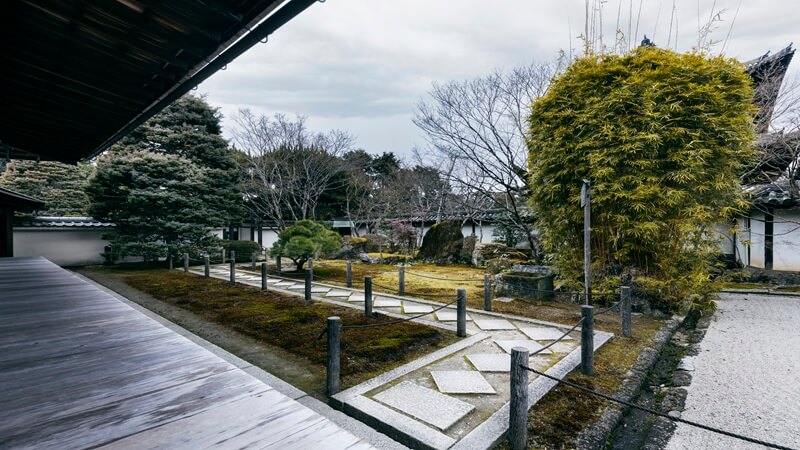
Designing an outdoor space that is both visually appealing and practical can transform the way you experience your home. A well-planned landscape not only enhances curb appeal but also provides a relaxing environment, increases property value, and supports a healthier lifestyle. In Creating a Beautiful and Functional Landscape Design: A Complete Guide, you’ll learn step by step how to plan, design, and maintain a landscape that perfectly balances beauty and functionality.
Introduction to Landscape Design
Landscape design is more than just planting flowers or adding decorative elements. It involves careful planning, understanding your space, and creating a layout that serves your needs while maintaining harmony with nature. Whether you have a small backyard or a large garden, the right approach can turn any space into a peaceful and practical retreat.
1. Define Your Purpose
Before selecting plants or materials, you need to clearly define how you want to use your outdoor space. This step lays the foundation for your entire design.
Ask yourself the following questions:
Entertainment Needs
Do you enjoy hosting guests? If yes, consider adding:
- A spacious patio
- Outdoor seating areas
- A fire pit or barbecue zone
Utility Requirements
Your landscape should also serve practical purposes. You may need:
- A vegetable or herb garden
- A play area for kids
- A designated space for pets
Privacy Considerations
If your home is close to neighbors or a busy street, privacy becomes important. You can:
- Install fences or walls
- Use tall hedges or trees
- Add decorative screens
Defining your purpose ensures your design is not only attractive but also useful for daily living.
2. Analyze Your Site
Understanding your environment is essential for creating a sustainable and long-lasting landscape.
Sun Patterns
Observe how sunlight moves across your yard throughout the day:
- Full sun areas are perfect for flowering plants and vegetables
- Shaded areas are better for ferns and shade-loving plants
Soil Quality
Test your soil to determine whether it is:
- Clay (holds water)
- Sandy (drains quickly)
- Loamy (ideal for most plants)
Choosing plants that match your soil type reduces maintenance and improves plant health.
Drainage
Identify areas where water collects after rain. Poor drainage can damage plants and structures. Solutions include:
- Installing drainage systems
- Using raised beds
- Adding gravel or sand
3. Apply Design Principles
Professional landscape designers rely on certain principles to create visually balanced spaces.
Scale and Proportion
Ensure that plants, furniture, and structures match the size of your home. Oversized elements can overwhelm a small yard, while tiny features may look insignificant in a large space.
The Rule of Three
Planting in groups of three, five, or seven creates a more natural and appealing look compared to even numbers.
Layering
Arrange plants in layers:
- Tall trees or structures at the back
- Medium shrubs in the middle
- Low plants and ground covers at the front
This creates depth and visual interest.
4. Choose Your Aesthetic
A cohesive design style prevents your landscape from looking cluttered.
Modern / Minimalist
- Clean lines and simple layouts
- Neutral colors and structured plants
- Materials like concrete and steel
Cottage Garden
- Dense, colorful flowers
- Curved pathways
- A relaxed, natural feel
Xeriscape
- Drought-tolerant plants
- Decorative rocks and gravel
- Ideal for water conservation
Choosing one clear style helps maintain consistency throughout your landscape.
5. Prioritize Hardscaping
Hardscaping includes the permanent structures in your outdoor space. It should be installed before planting.
Walkways
Guide movement with materials like:
- Stone
- Brick
- Gravel
Retaining Walls
These are useful for:
- Managing slopes
- Creating raised garden beds
- Preventing soil erosion
Outdoor Lighting
Lighting enhances both beauty and safety:
- Path lights improve visibility
- Uplighting highlights trees and features
- Ambient lighting creates a relaxing atmosphere
Hardscaping forms the backbone of your landscape and ensures long-term durability.
6. Select Smart Plants
Plant selection plays a major role in both the appearance and maintenance of your landscape.
Go Native
Native plants are adapted to your local climate and require less water and care.
Seasonal Interest
Choose a mix of plants that bloom at different times:
- Spring flowers
- Summer greenery
- Autumn colors
- Evergreen plants for winter
Maintenance Level
Be realistic about how much time you can dedicate to gardening. Low-maintenance plants are ideal for busy homeowners.
7. Focus on Sustainability
A modern landscape should not only look good but also support the environment.
Mulching
Mulch helps:
- Retain soil moisture
- Reduce weeds
- Improve soil health
Rainwater Harvesting
Install rain barrels to collect water for irrigation, reducing water bills and conserving resources.
Pollinator-Friendly Plants
Include flowers that attract:
- Bees
- Butterflies
- Birds
This supports biodiversity and improves your garden’s ecosystem.
Health Benefits of a Well-Designed Landscape
A thoughtfully designed outdoor space contributes to your overall well-being.
- Fresh air improves respiratory health
- Green spaces reduce stress and anxiety
- Outdoor activity encourages physical fitness
- Natural surroundings boost mental clarity
Spending time in a beautiful and functional landscape can significantly improve your quality of life.
Common Mistakes to Avoid
Even with good planning, some common mistakes can affect your results:
- Overcrowding plants
- Ignoring maintenance needs
- Choosing incompatible plant species
- Poor drainage planning
- Mixing too many design styles
Avoiding these mistakes ensures a smoother and more successful landscaping project.
Budget-Friendly Landscape Tips
You don’t need a large budget to create a stunning outdoor space.
- Start small and expand over time
- Use locally available materials
- Choose low-maintenance plants
- DIY simple projects like planting and mulching
- Reuse existing elements when possible
Smart planning can help you achieve a professional look without overspending.
Maintenance Tips for Long-Term Success
Once your landscape is complete, regular maintenance is key.
- Water plants according to their needs
- Prune trees and shrubs regularly
- Remove weeds promptly
- Check irrigation systems
- Refresh mulch annually
Consistent care keeps your landscape healthy and visually appealing.
Final Thoughts
Creating the perfect outdoor space requires planning, creativity, and consistency. By following this Creating a Beautiful and Functional Landscape Design: A Complete Guide, you can design a landscape that meets your needs while enhancing the beauty of your home.
Remember, a successful landscape balances aesthetics, functionality, and sustainability. With the right approach, you can transform your outdoor space into a place where you relax, entertain, and connect with nature.